Get Started

Key Takeaways
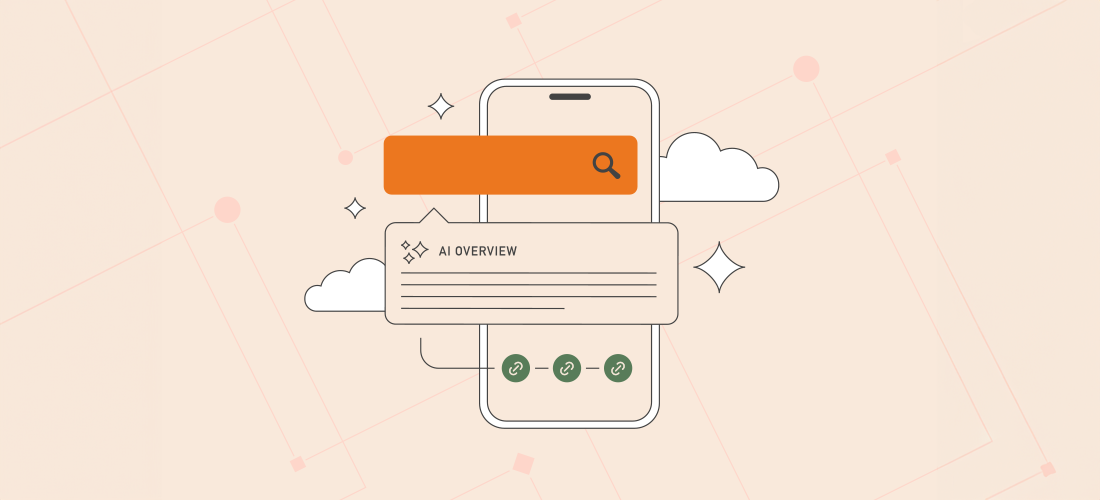
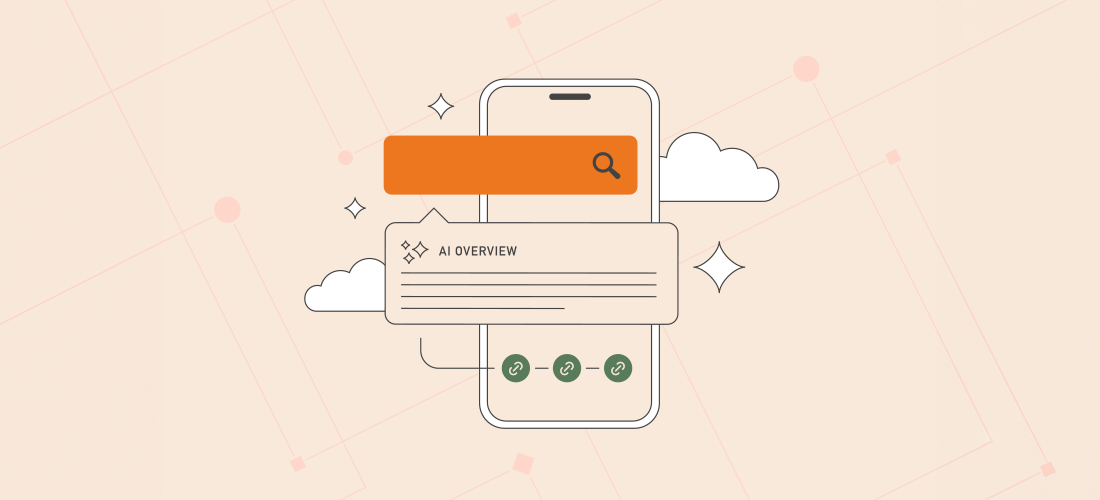
With 37% of user searches now starting in AI systems, online visibility has changed significantly in a short amount of time.
Tracking how and when your brand is mentioned across LLMs and AI Overviews is the first step in ensuring you are well-positioned to convert customers, no matter where they first hear about you.
While traditional SEO tactics provide a strong foundation for Generative Engine Optimization (GEO) strategies, GEO is a new, unique discipline that will require teams to adapt their strategies.
The right tracking tool will track and monitor your brand’s visibility across AI platforms, analyze the quality and sentiment of citations, and use modern data collection methods to ensure accuracy.
According to Search Engine Journal, 37% of users are starting their searches in AI instead of traditional search engines.
As users move toward “answer engines” like ChatGPT, Perplexity, and Google Gemini, the metrics for success are changing. Earning the #1 spot on a SERP is great, but unless your brand is visible, cited, and recommended within the logic of large language models (LLMs), you’re missing out on the chance to influence a huge chunk of your audience.
The first step in understanding how your brand is being perceived by AI users is to track when and how you’re mentioned. We’ve put together a short list of the top tools marketers are using for AI visibility tracking to understand how their brands appear in LLMs and AI-generated answers.
Quick comparison of top-rated LLM tracking tools
| Tool Name | Key Features | Pricing | Best For |
| Conductor | AgentStack | Custom | Large corporations |
| LLMclicks.ai | Optimization wizard | Some free features, paid tiers | Large corporations |
| Otterly.ai | Brand sentiment analysis | Tiered | PR and brand teams, agencies |
| Profound | Shopping data | Tiered, custom enterprise packages | Data-heavy SEO teams |
| Scrunch | Agent Experience Platform (AXP) | Tiered, custom enterprise packages | Consumer brands, agencies |
| Ahrefs | Brand Radar | Included with subscription | Existing Ahrefs users |
| Semrush | AI Visibility toolkit | Add-on for subscription | Google-first marketing teams |
What is AI visibility tracking?
AI visibility tracking is the process of monitoring how often and in what context your brand appears in responses generated by LLMs. As Generative Engine Optimization (GEO) supplements traditional SEO strategies, marketers are adapting their definition of success.
When it comes to your brand visibility, keyword rankings are still important, but they’re far from the full picture. While the new metrics for success aren’t clearly defined yet, good AI tracking involves understanding the training data and real-time search capabilities of AI to get a better picture of how your brand is perceived and how AI tools are positioning your tools, products, or services in the market.
Do traditional SEO tools track AI visibility?
Yes and no. The industry is currently in a transition phase, and major players in the SEO space, like Ahrefs and Semrush, are deploying features to track AI perception, as GEO is a natural skill fit for already established SEO teams.
However, many traditional tools struggle to straddle both worlds; they are built for keyword volume and backlink equity, which doesn’t always translate well to the nature of AI responses.
What to look for in an AI tracking tool?
When evaluating these new tools, consider the following criteria:
- Platform coverage: Does the tool track visibility across most major LLMs and AI-generated answer interfaces, including ChatGPT, Claude, Gemini, Perplexity, and Google’s AI Overviews?
- Citation analysis: Does the tool show if the AI actually provides a clickable link to your site? Does it analyze brand sentiment to share whether the answer provides a positive or negative view of your brand?
- Data collection method: Is the tool using live scraping, API access, or synthetic testing? This will impact the accuracy of the data.
- Multi-domain support: If you manage a portfolio of sites, does the tool allow for multi-domain analysis under a single account?
- Pricing: Does the tool fit within your marketing budget and scale with your needs? This is important as AI credits and API calls can quickly balloon as you scale your efforts.
Top tools for tracking AI visibility
This is by no means a comprehensive list of every tool you could use to track visibility in AI systems and LLMs. That said, this list offers a range of tools with varying use cases and price points to help you narrow down the right tool for your team.
1. Conductor
Conductor’s enterprise-grade AEO Platform (AEO stands for Answer Engine Optimization) combines content generation, AI visibility insights, traffic and performance monitoring, and deep integration with the most popular existing AI tools. It is designed to bring SEO, content, digital product, eCommerce, and technical teams together in one platform and provide a comprehensive view of how AI answers affect their overall organic market share. That said, it is one of the more expensive options on this list, and the cost may be prohibitive for smaller teams.
2. LLMclicks.ai
Founded by an expert with more than 15 years building custom SEO and SaaS products, this tool helps users understand exactly how AI platforms describe your brand by measuring accuracy, scoring hallucinations, and comparing performance across AI systems. While the full feature set is costly, the platform offers three free tools teams can use to get a baseline of their site’s current standing in AI systems. With a pay once, use forever pricing model, this tool is a solid option for teams who are looking to invest in a single tool for the life of their business.
3. Otterly.ai
Otterly focuses on brand monitoring. It acts as a PR tool for the AI age, scanning LLMs to see how a brand is being described and whether hallucinations or biases are affecting your reputation. With a lower monthly price point than some of the other options on this list, Otterly.ai makes getting started with a GEO strategy approachable for teams of all sizes.
4. Profound
In traditional SEO, a ranking is a static data point; in an LLM, the answer changes almost every time you ask. Profound runs thousands of daily browser-level queries across multiple LLMs and benchmarks your brand against a massive dataset of real-world user prompts. It also includes specific tooling to measure shopping-triggered responses, showing how AI systems categorize and describe your products.
5. Scrunch
Scrunch will tell you that you have a citation gap (i.e., a competitor is being mentioned and you aren’t), but unlike some other tools, it doesn’t provide a built-in AI writing assistant to help you draft the fix. That said, Agent Experience Platform (AXP) is particularly useful for brands with image-heavy or JavaScript-dense sites. The feature creates an invisible, AI-optimized version of a website, so brands can serve AI bots the content they want without undergoing a full redesign.
6. Ahrefs Brand Radar
Existing Ahrefs users will find the Brand Radar familiar. It’s designed to bridge the gap between traditional search visibility and the intelligent web. While it’s a powerful tool for teams who already use Ahrefs, users have also noticed a few shortcomings in its reporting capabilities. That said, the tool does provide a solid starting point for SEO teams that already use Ahrefs.
7. Semrush AI Visibility Toolkit
Similar to Ahrefs, the Semrush AI Visibility Toolkit is designed for marketers who want to integrate GEO into their existing SEO workflows. It is less of a niche experimental tool and more of a command center for tracking brand performance. However, some reviews note a clear bias toward reporting on Google, which can make it difficult to get a true representation of your visibility across major AI systems.
Tracking is the first step toward intelligent web visibility
Tracking AI visibility to understand how and when your brand shows up is the first step in influencing these tools to better understand your brand and influence the market on your behalf. In the end, the goal is simple: ensure AI models are talking about your brand and position it in a positive light for the customers who use them.
To learn more about the sudden shift toward AI-driven search and how we got here, check out our white paper Preparing for the intelligent web: The new frontier is here.